Hampstead Heath Hedgerows

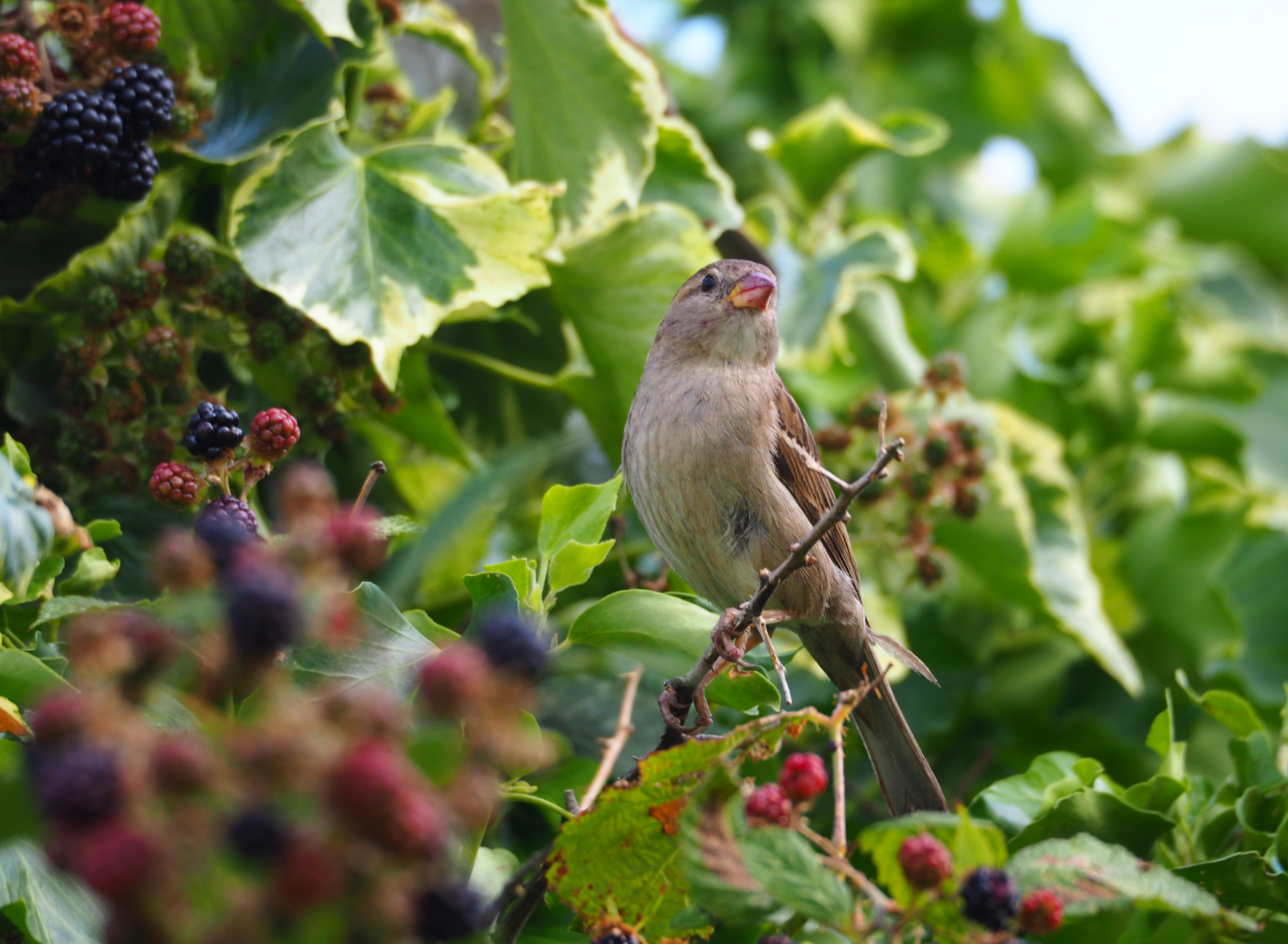
Hedgerows are fantastic habitats. They provide sheltered corridors for wildlife such as hedgehogs and bats, as well as nesting areas for birds like declining Sparrows and Whitethroats. The flowers, berries and leaves provide a bountiful source of food for a wide variety of wildlife.
Hampstead Heath has 4 kilometers of hedgerows, including ancient hedgerows mentioned in the domesday book of 1086!
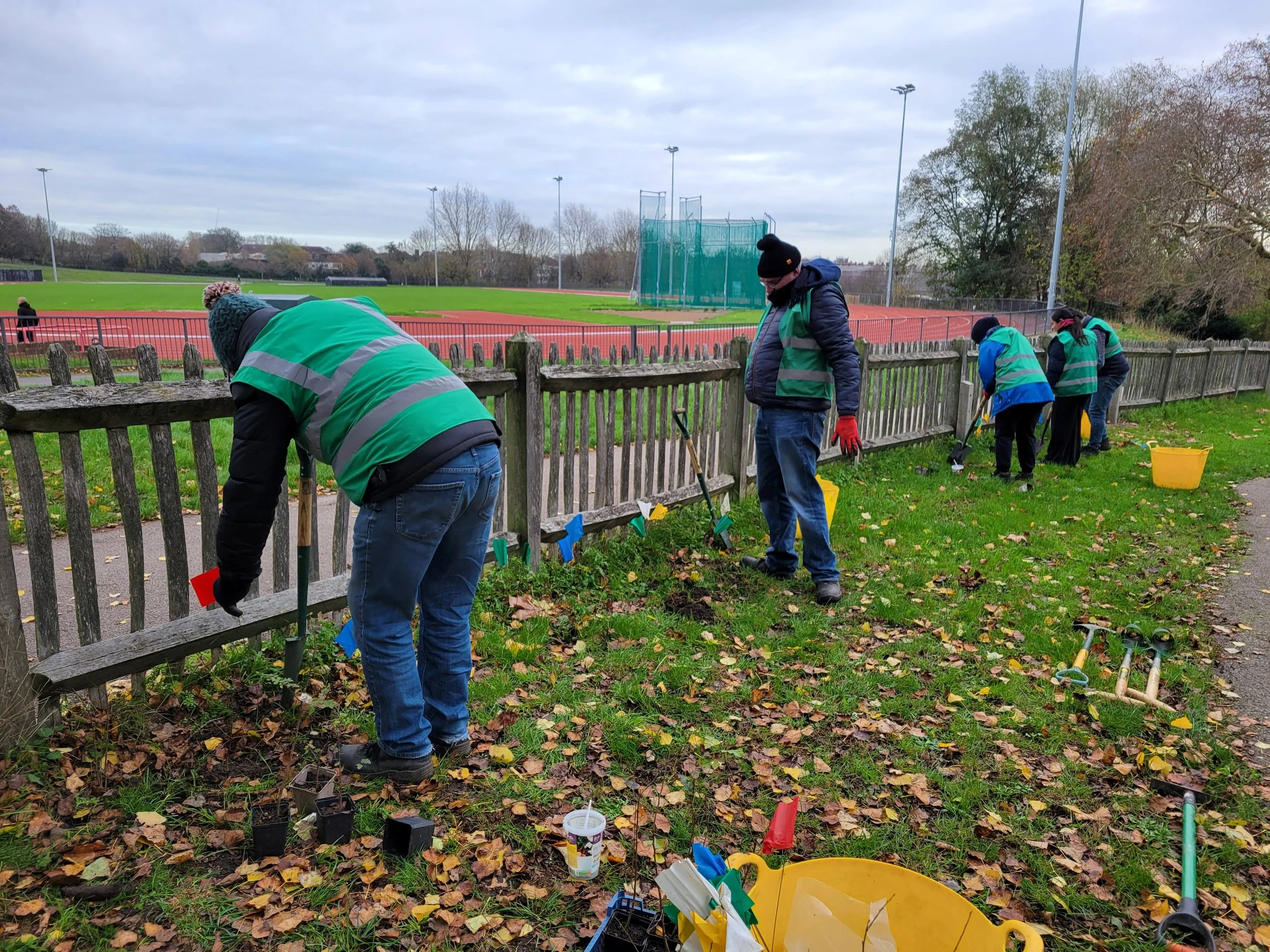
Since early 2022 we have planted over 200 metres of new native hedgerow, and helped restore and conserve much more. In 2025 with the help of the Aviva Community Fund we raised over £10,000 to plant new hedges around the Parliament Hill area - read on to find out more.
Aviva Community Fund
Support us and our conservation work - or volunteer with us!
Please respect fencing and dead hedge barriers, and don’t enter hedgerows, as this can compact the roots and trample habitat.
Please don’t encourage children and dogs to play in hedgerows. Sadly, we often find litter, broken glass and waste in hedges, so they are not a safe place to play!

How you can help
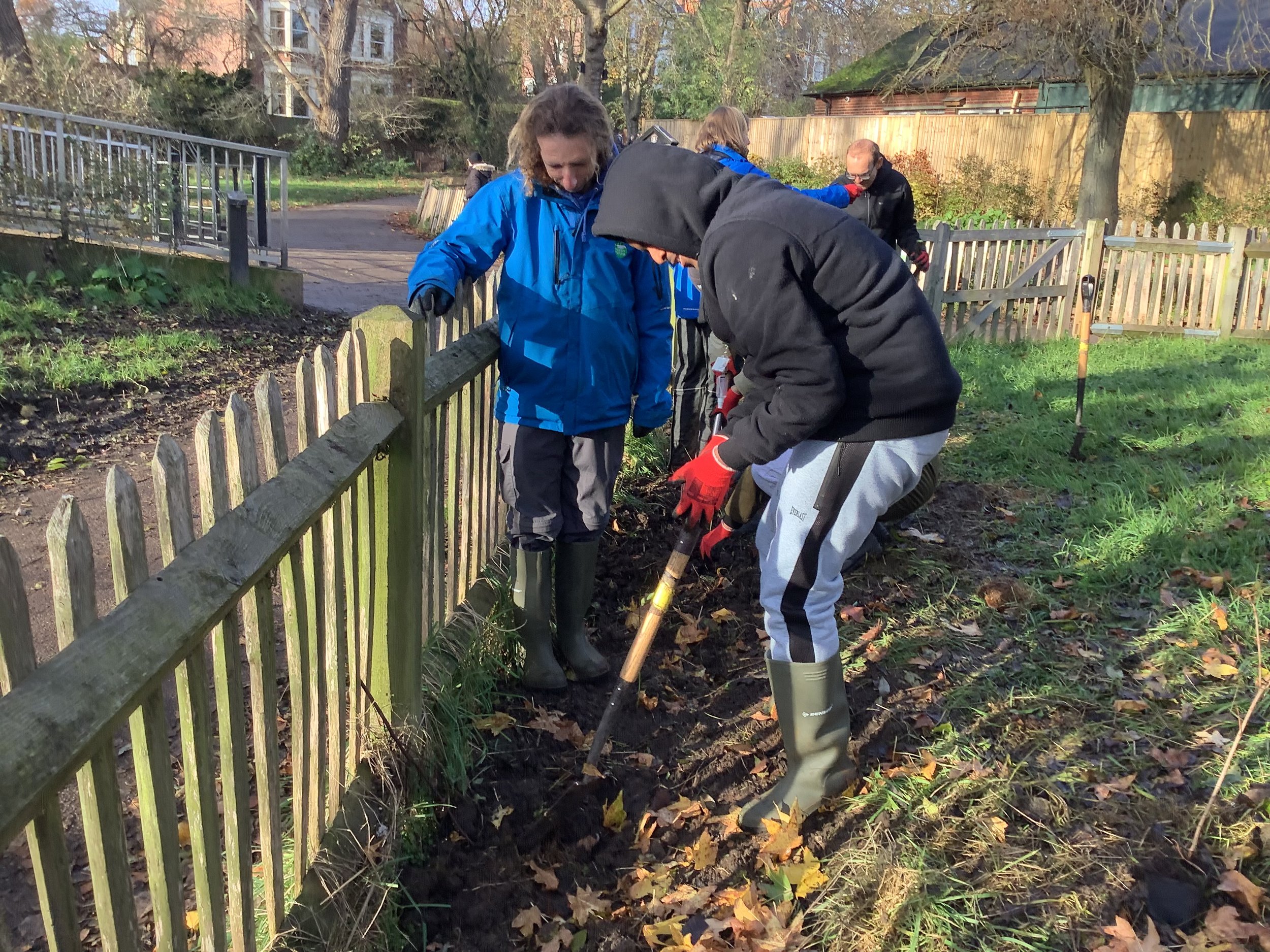
An important part of the Heath’s management plan is to maintain, improve and extend hedgerows for wildlife. We have planted new native mixed hedging around Parliament Hill and the Savernake road entrance to help wildlife , especially to encourage hedgehogs and House Sparrows.
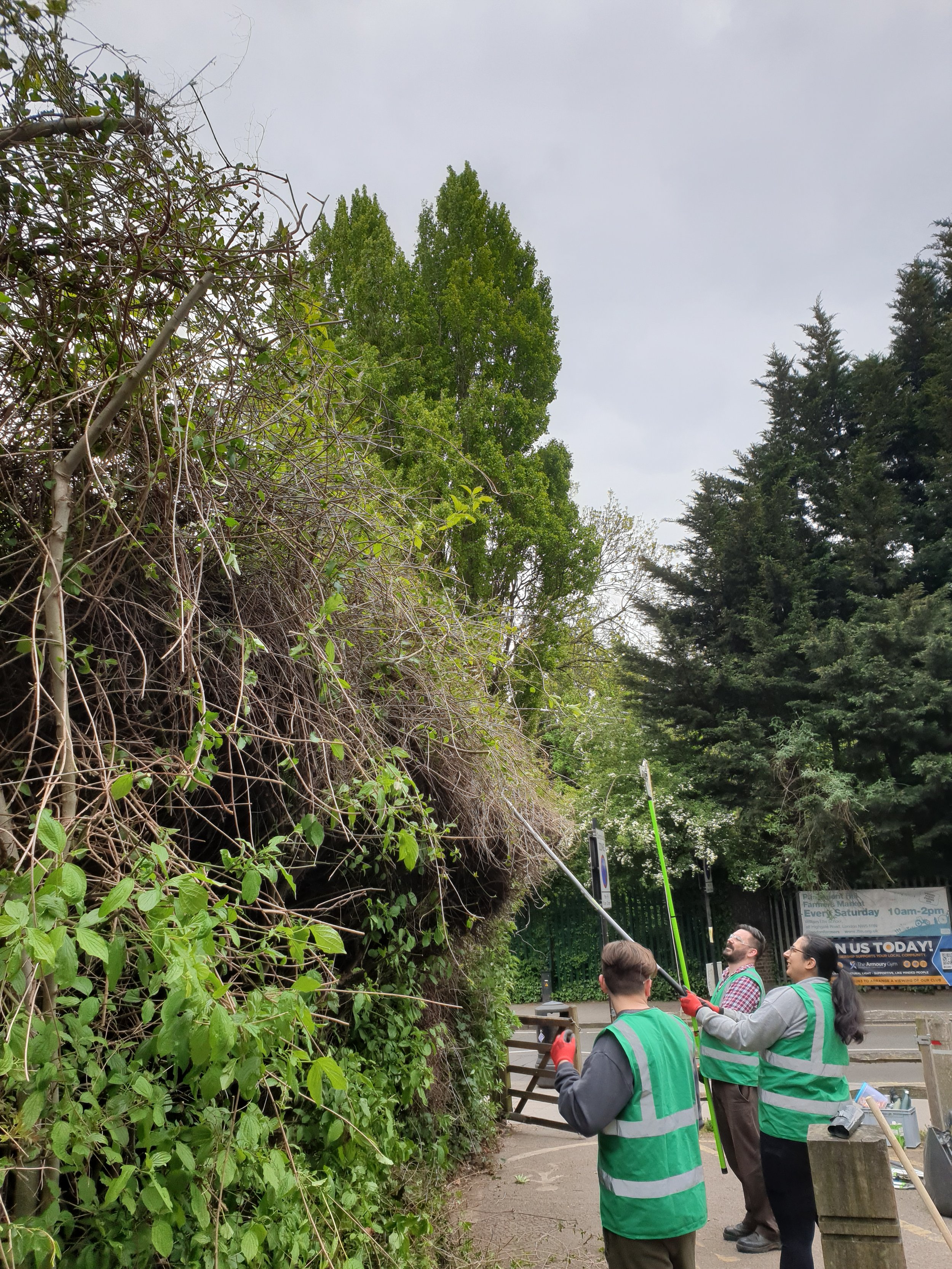
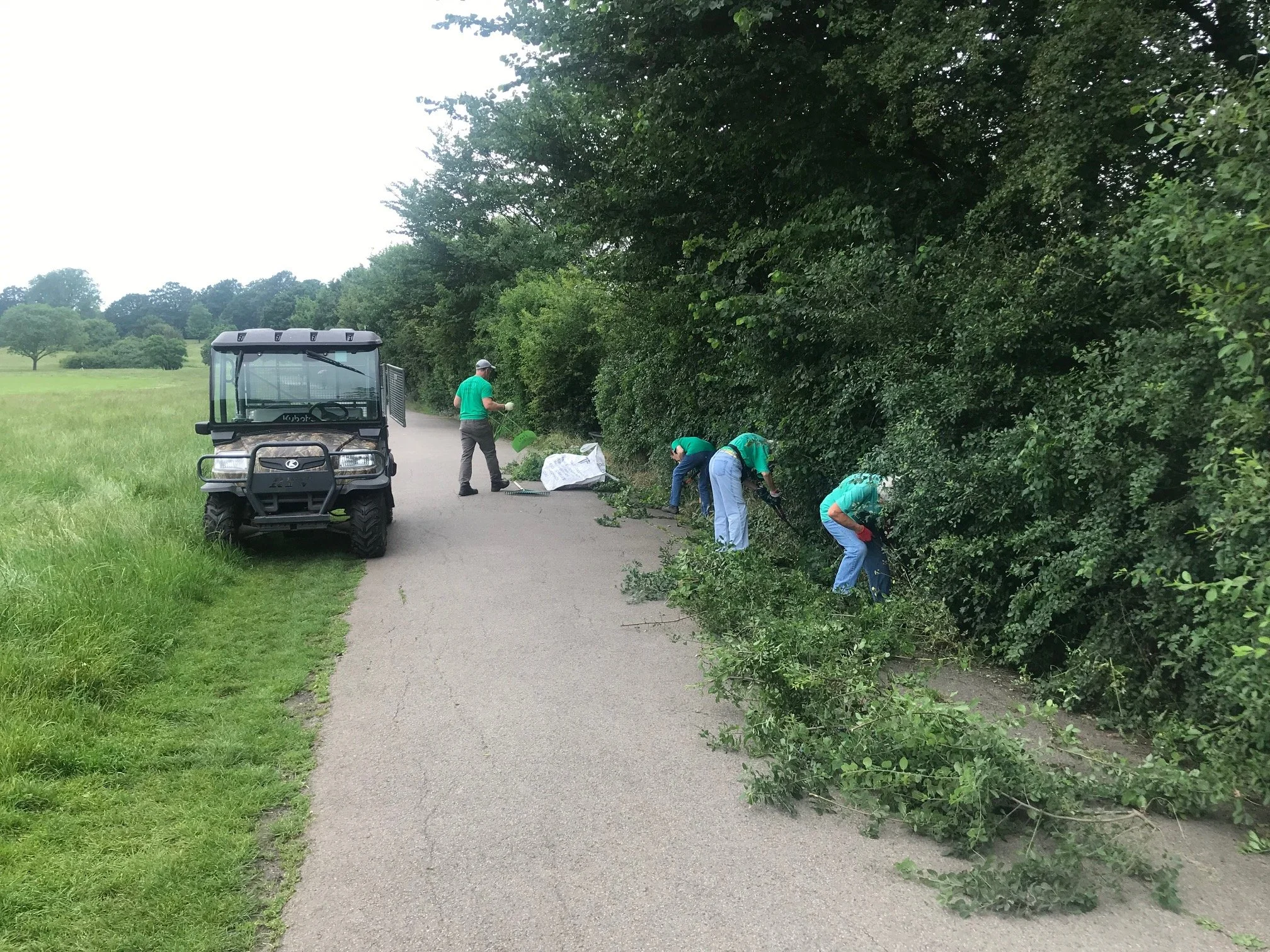
Our volunteers also help the City of London Corporation to maintain existing hedgerows and scrub areas. Often this involves blocking gaps with ‘dead hedges’ or brush piles of woody material to limit access to these wildlife refuges and allow flora to regenerate. We also remove lots of litter from hedges to protect the wildlife that lives there.

In 2025 we were shortlisted for the Aviva Community Fund and launched our ‘Hedgerow Heroes’ crowdfunder, raising over £10,00 to purchase new hedgerow plugs for Hampstead Heath, aiming to increase habitat connectivity around Parliament Hill, boost biodiversity and improve climate resilience. Over 400 trees were planted by our youth, corporate and conservation volunteers, which are now busy establishing. They’ll take a few years to grow, and we’re looking after them carefully to ensure this new habiat is able to thrive.