Wildlife monitoring on the Heath
Spring is a busy time of year for us at Heath Hands, as alongside our usual conservation sessions our wildlife monitoring programmes restart for the summer season. Our staff and volunteers survey butterflies, odonata (dragonflies and damselflies), stag beetles and grass snakes, as well as conducting our Nature’s Calendar plant phenology survey which runs year-round. You can find out more about our ecological surveys here.
But first - what is a survey, and how is it conducted?
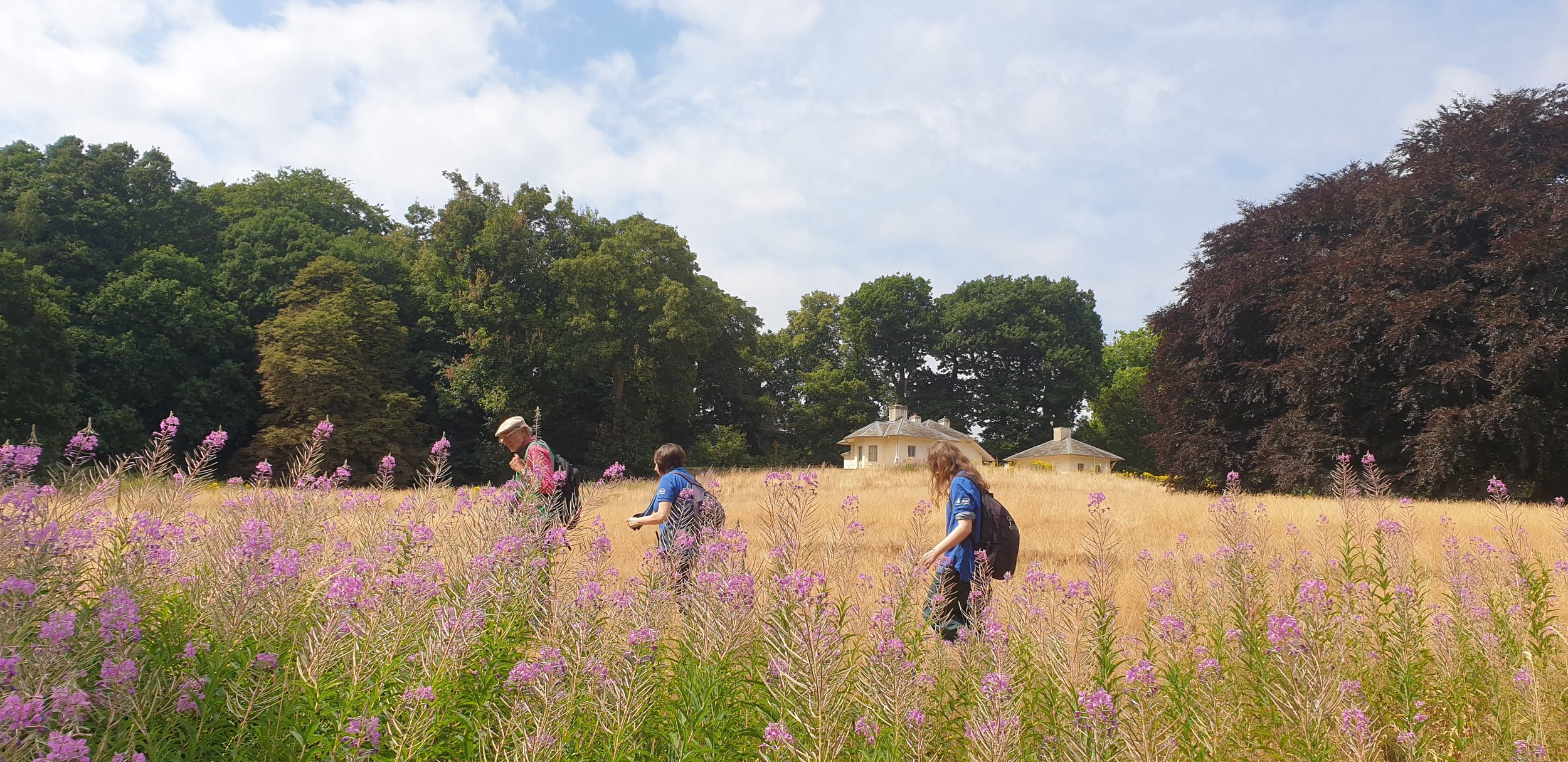
Butterfly monitoring by the Dairy
Surveys are an assessment of species abundance (size) and richness (the number of different species) within a specific area, often carried out to monitor the health of a protected species in order to inform future conservation methods. Most of our surveys are carried out between April-October, andinvolve the weekly monitoring of a series of transects – marked survey routes in an area, and noting of the number species sighted. Overall, our volunteers contributed over 1,450 hours towards last year’s ecological monitoring programmes.
Read on for a summary of our 2025 monitoring findings, and you can read the full reports here.
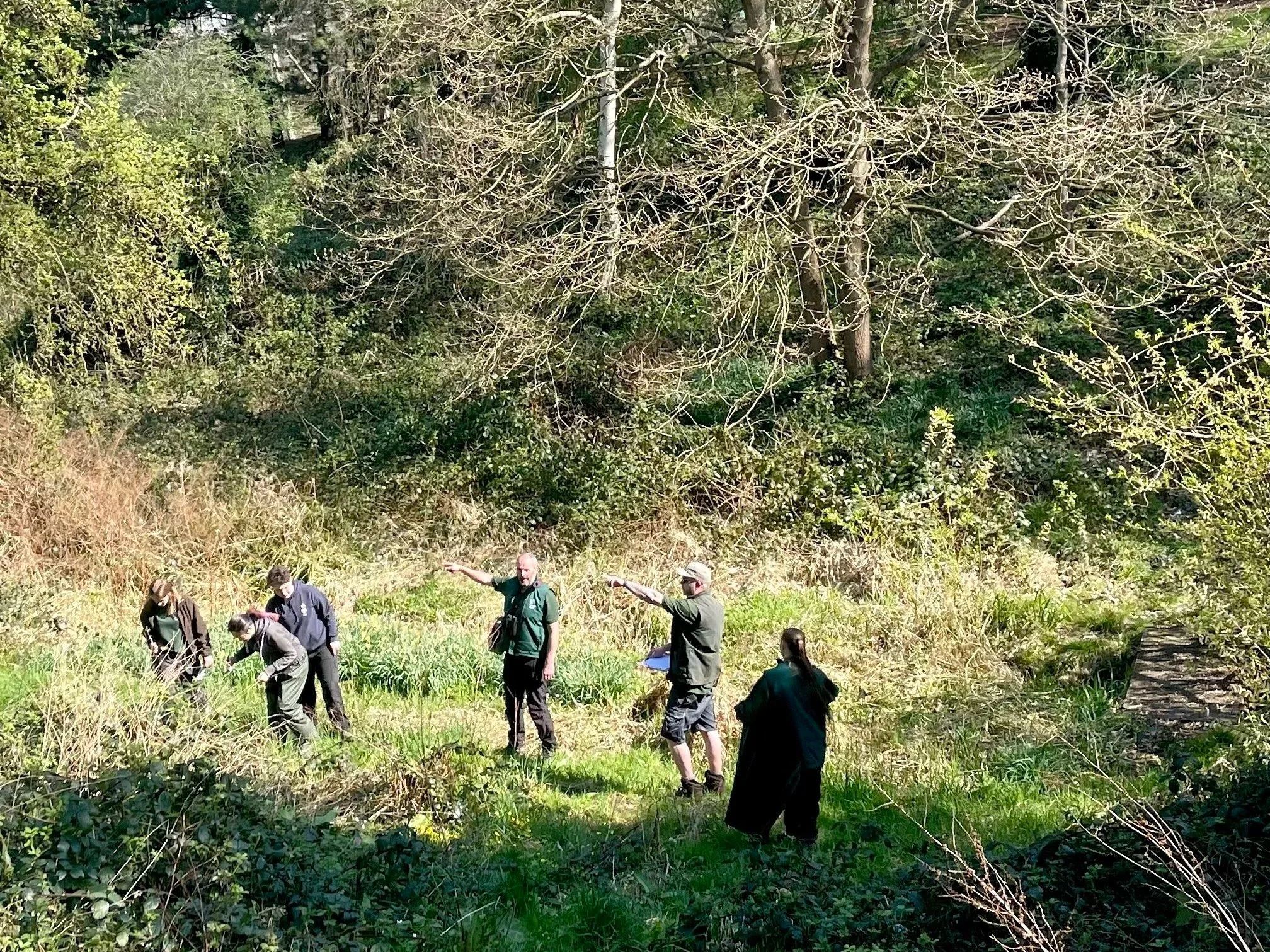
Volunteers and staff setting up a reptile transect
Butterflies
Butterflies are important indicators of ecosystem health - sadly the UK’s butterfly populations have declined by 80% since the 1970s, so it’s crucially important to monitor population trends in order to help inform habitat management practices so that we can maintain and improve the Heath’s range of habitats for the benefit of the biodiversity they support.
With a diverse mosaic of habitats from sandy heaths and meadows to covered forest, the Heath is an ideal place for many butterfly species to live. The Heath is known to support a recorded 28 species, but how many did our volunteers spot last year?
Overall, more than a thousand butterflies were recorded on our three transects spanning 27 species (almost the full house!). The most abundant species was the Meadow Brown which also led the league table for 2024 and 2023, whilst the biggest increase in sightings was awarded to the small and large white, with the small white taking 2nd place in the abundance tally. Brown Argus butterflies were sighted for the first time since 2021, a promising observation for the future.
Our findings show that butterfly sightings were down slightly when compared to the year previous (a sighting rate of 23.8 vs 24.2 in 2024) and down considerably when looking back to the sighting rate of 29.9 recorded in 2023.
This continued decline in sightings could be attributed to the disruption of the butterfly life cycle by extreme weather conditions as a result of climate change: London saw its warmest June on record in 2025 with temperatures 3c above average, and with several heatwaves following, 2025 was marked as the UK’s hottest recorded summer. Further monitoring will help assess whether this is a continued pattern.
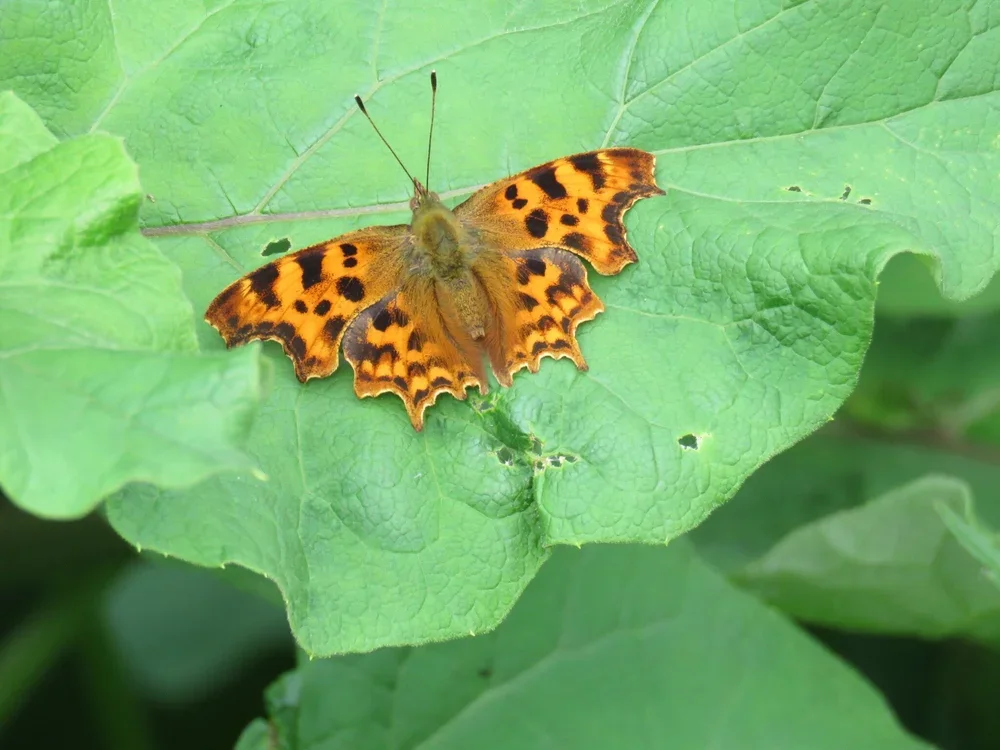
A comma butterfly, recognisable by the black markings on its wings
Grass snakes
Grass snakes are the only reptile species currently known to be present on Hampstead Heath, with this population notably the closest recorded population of native snakes to Central London. Grass snakes are Britain’s largest native land reptile, and the only British snake to lay eggs. Whilst they are widespread throughout the country their numbers are declining nationally, and they are marked as a priority conservation species under the Wildlife and Countryside Act 1981. Here at Heath Hands, we’ve been doing our part to protect the species by creating breeding sites in the form of compost heaps comprised of meadow hay cuttings, in which the female snakes will lay their eggs. You can support this work but adopting one of our ‘snake heaps’, find out more here.
The 2025 survey results showed that, for the second consecutive year, evidence was found of successful breeding in our habitat piles, a great triumph for the team. The survey showed an increase in overall population size whichis a promising outlook for the future of the species, as well as one of the largest snakes recorded in the history of the monitoring project, at 120cm long! The highest number of sightings were recorded in areas of dense semi-natural vegetation that were close to water, reflecting the snake’s preference for riparian habitats and a lack of human disturbance.
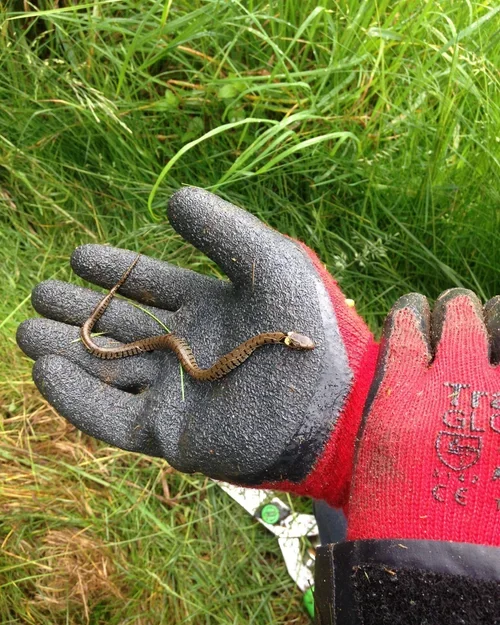
Up close with a young grass snake
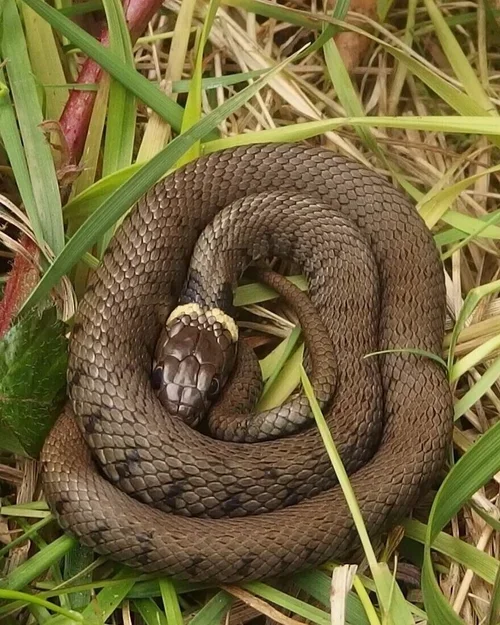
An adult grass snake
Odonata (dragonflies and damselflies)
This year, for the first time, we’ve published a report on our regular Odonata surveys, which have been ongoing since 2023. Odonata are vital to ecosystems as predators of other insects, as well as providing food for larger animals and birds such as swallows and swifts. They’re most frequently found in areas on and around water, so our famed Hampstead Ponds provide an ideal breeding ground. Their larvae require unpolluted water to thrive, so the presence of Odonata indicates healthy, clean water systems.
2,632 Odonata sightings were registered across the Hampstead and Highgate transects last season, with the ‘most common species’ award going to the Common Blue Damselfly – it lives up to its name! Sightings of the Common Blue have increased steadily over the past few years, alongside an increase in Blue-tailed damselflies and Red-eye damselflies, two of our other widespread species.
It’s important to note the impact chemical flea treatments can have on our local wildlife: we will be continuing our monitoring over the coming years and studying whether dog swimming (and associated flea treatments in the ponds) can be having an impact on sightings.

‘Common Blue’ dragonflies mating
Stag beetles
And finally, in 2025, we conducted our first Stag Beetle survey on the Heath, monitoring our largest insect. This followed initial surveys conducted by the Heath’s Ecologist beginningin 2013. Stag beetles are a rare and threatened species throughout Northern Europe, and it is thought that the ‘beautifying’ and tidying-up of woodlands by removing dead wood (the key habitat for stag beetles) is the main reason for species decline.
2025 was the pilot year for this project, and for accurate insight into population density and distribution we’ll need to collect a few more year’s data to compare. We look forward to continuing our stag beetle monitoring this season to advance our progress.
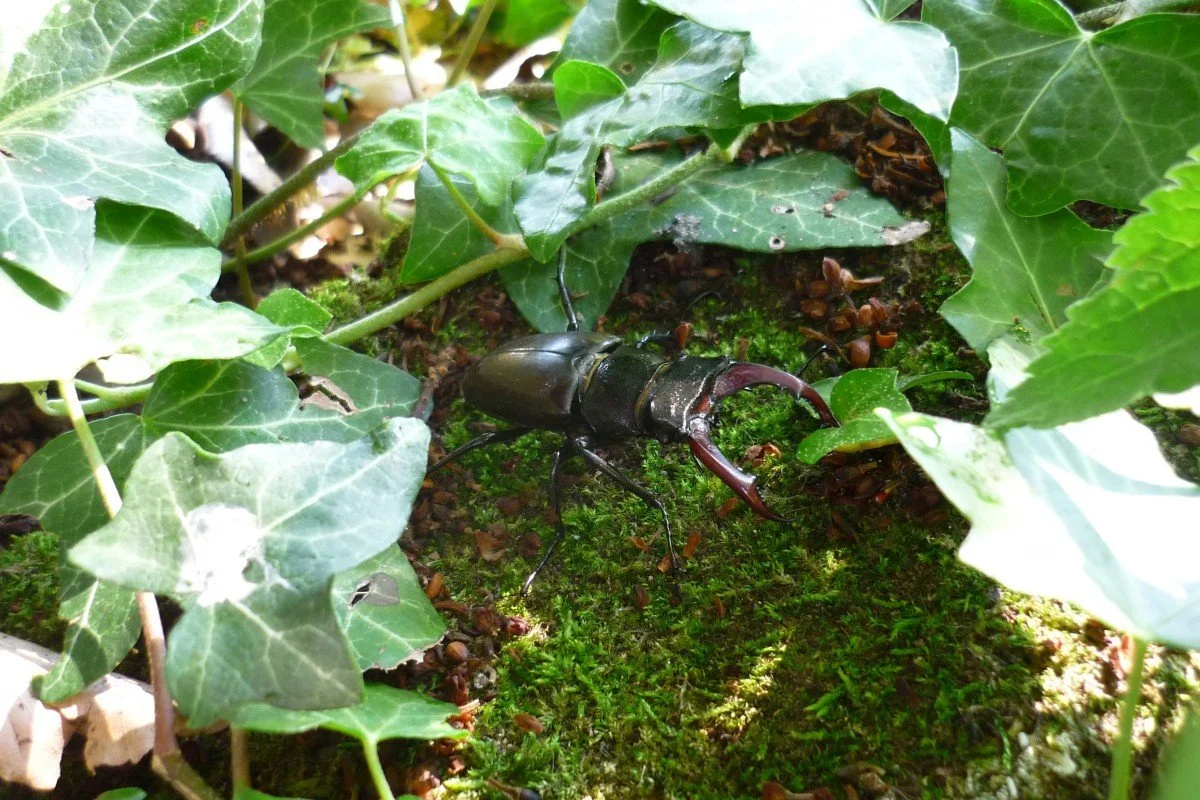
A male stag beetle
Our full monitoring reports can be found here. We’d like to say a big thank you to all the volunteers that helped us last season, and look forward to seeing some familiar faces again this year. We’re currently recruiting for new wildlife monitors, so if you have an interest in ecology and want to give surveying a go yourself drop us an email or fill in the form on our website, and we’ll be in touch with any opportunities.