Discovering Citizen Science
‘Citizen Science’ is a term that you may have seen used before by different environmental and conservation organisations, but what does it really mean, and how can you get involved here on Hampstead Heath?
Put simply, citizen science refers to data collection surveys that anyone can join in with, which contribute to the scientific records of a larger organisation. Scientists need to know as much as they can about a particular species in order to protect it, but data collection is a huge and time-consuming job. By collaborating with members of the public scientists can streamline this process, using the data to influence their management decisions going forwards. Collecting this data, whether on butterflies, beetles or birds, helps build a bigger picture of the health of habitats and their greater ecosystems.
Not all surveys require environmental knowledge or ID skills, some are as simple as counting the number of bugs splatted on your licence plate after a drive!
Survey sizes range, from smaller-scale local schemes to regional projects like the Big Butterfly Count - which is happening now.
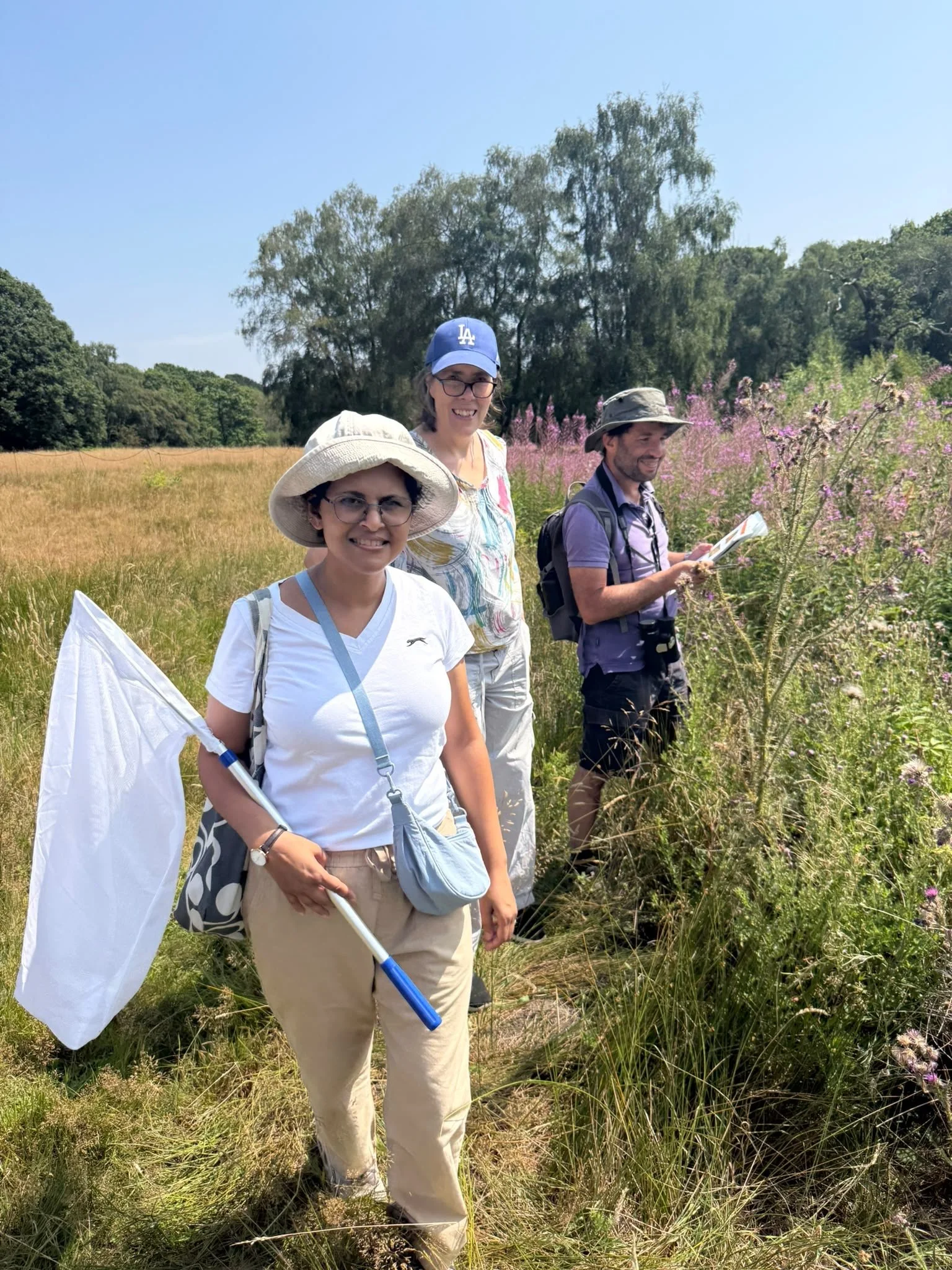
Butterfly counting on Kenwood meadow
Run by the charity Butterfly Conservation, the Big Butterfly Count is an annual UK-wide survey which encourages members of the public to identify and count the butterflies they see at home, logging them on the BC website or app. Butterflies are a key biodiversity indicator for scientists as they react quickly to changes in the environment, so it’s vital to monitor fluctuations in numbers as they link to wider environmental changes. Here at Heath Hands we’ve been running butterfly ID walks over the summer to help you get to grips with butterfly ID and ecology. You can check out our upcoming dates here, and also drop by the Heath Info Hut or Dairy Interpretation Centre to pick up a free butterfly spotter sheet of common species found on Hampstead Heath.
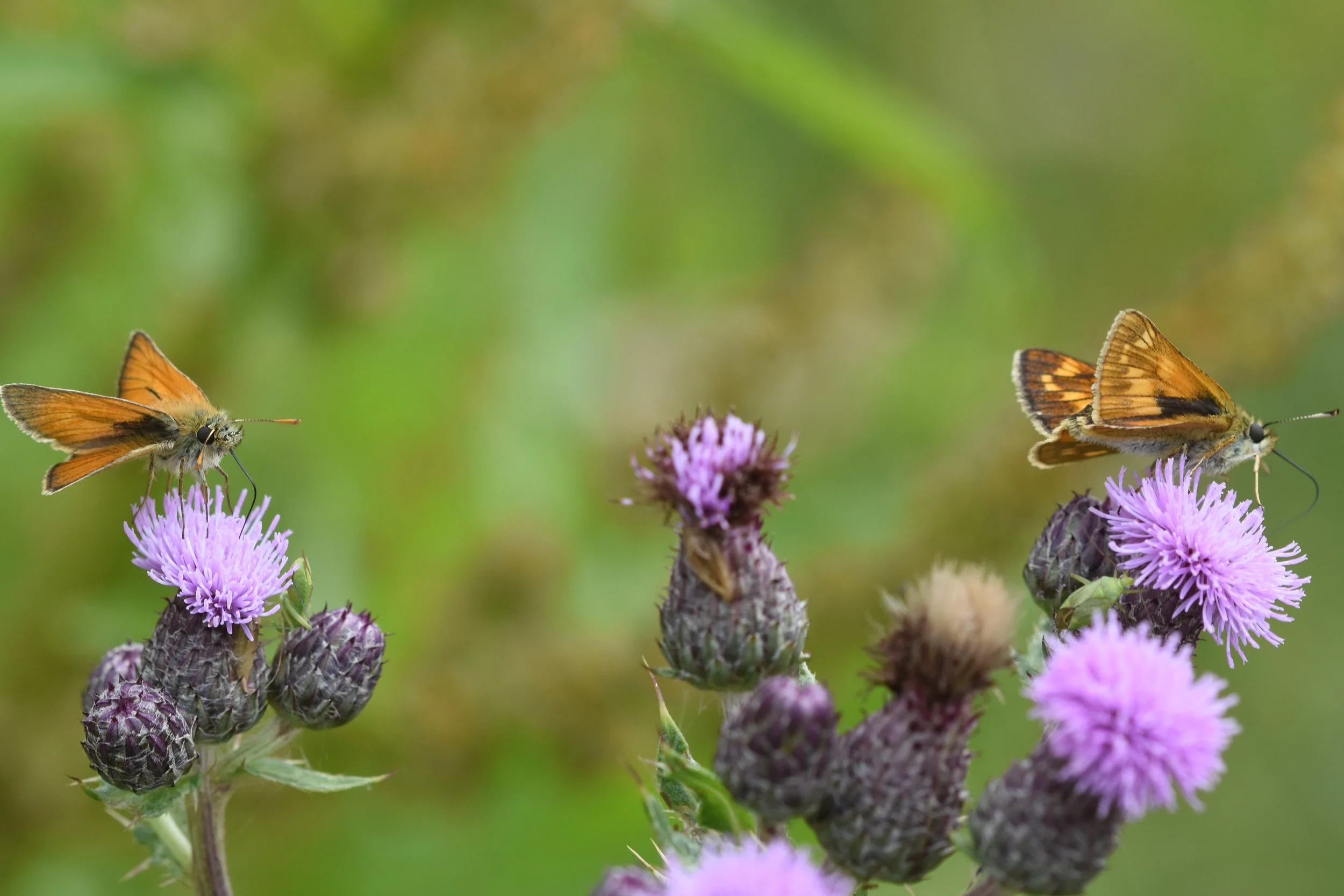
Small and Large Skipper butterflies on a creeping thistle
Other seasonal citizen science projects include the RSPB’s Big Garden Bird Watch in January and the City Nature Challenge , a four day global ‘bioblitz’ event which happens each April. Our wildlife interpreters run free drop-in sessions alongside these events including birdwatching, bug-hunting, pond dipping and more - check out our what’s on page for upcoming dates and keep your eye out for their green cargo bike parked up around the Heath on the weekends.
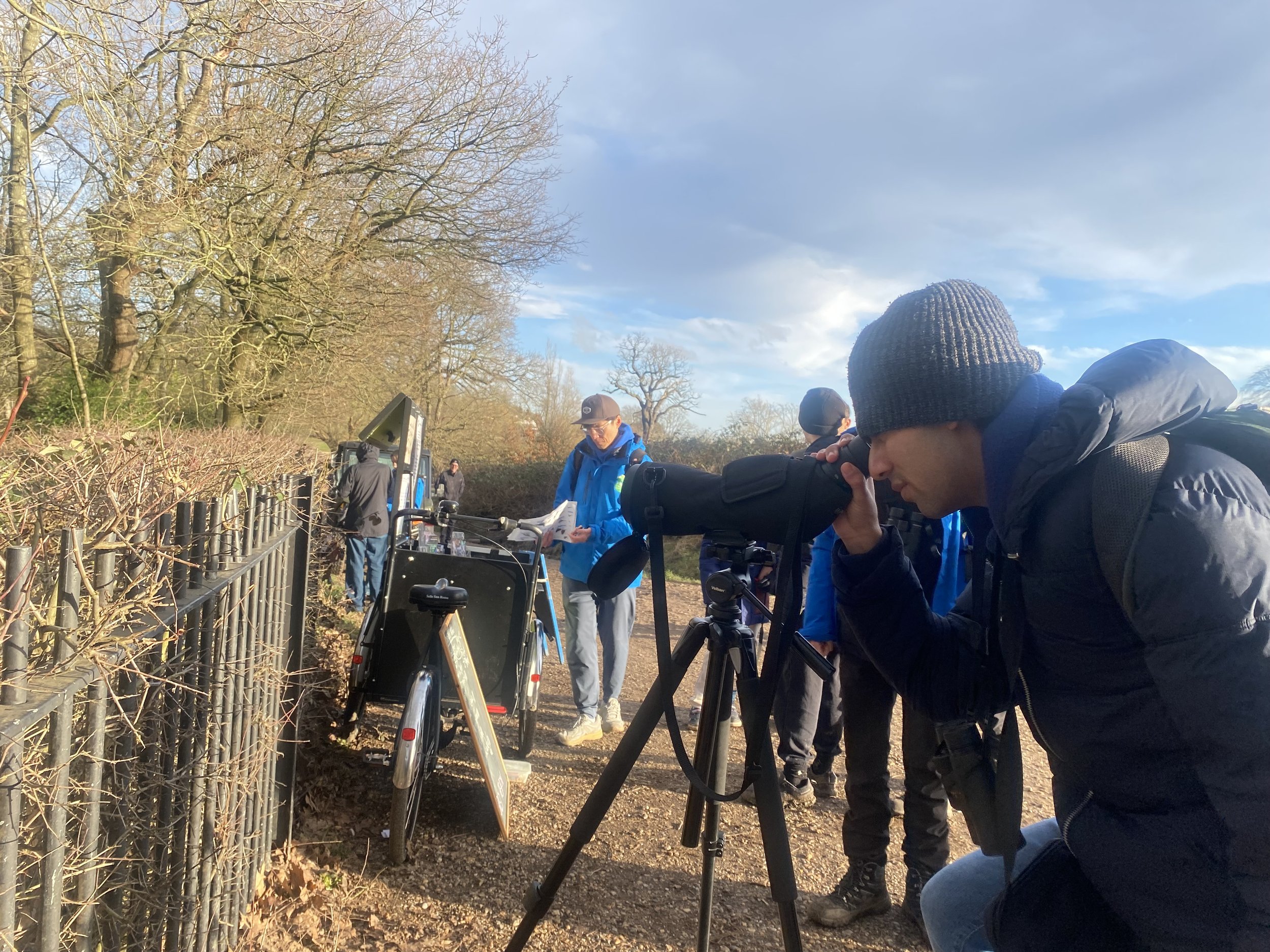
Our interpretation team out on the Heath during this year’s Big Garden Birdwatch
Rather take part from the comfort of your own home? Zooniverse sounds like the thing for you, and you can join in right away. In partnership with ZSL’s London Hogwatch project, Zooniverse allows you to monitor hedgehog camera traps in our very own Highgate Wood, identifying the species you see on screen. All you need to do is create an account (so that you don’t see the same image twice) and then follow a simple tutorial to start going through the footage. Take a look at our previous blogpost, or HOGpost, to find out more about hedgehog conservation on Hampstead Heath.
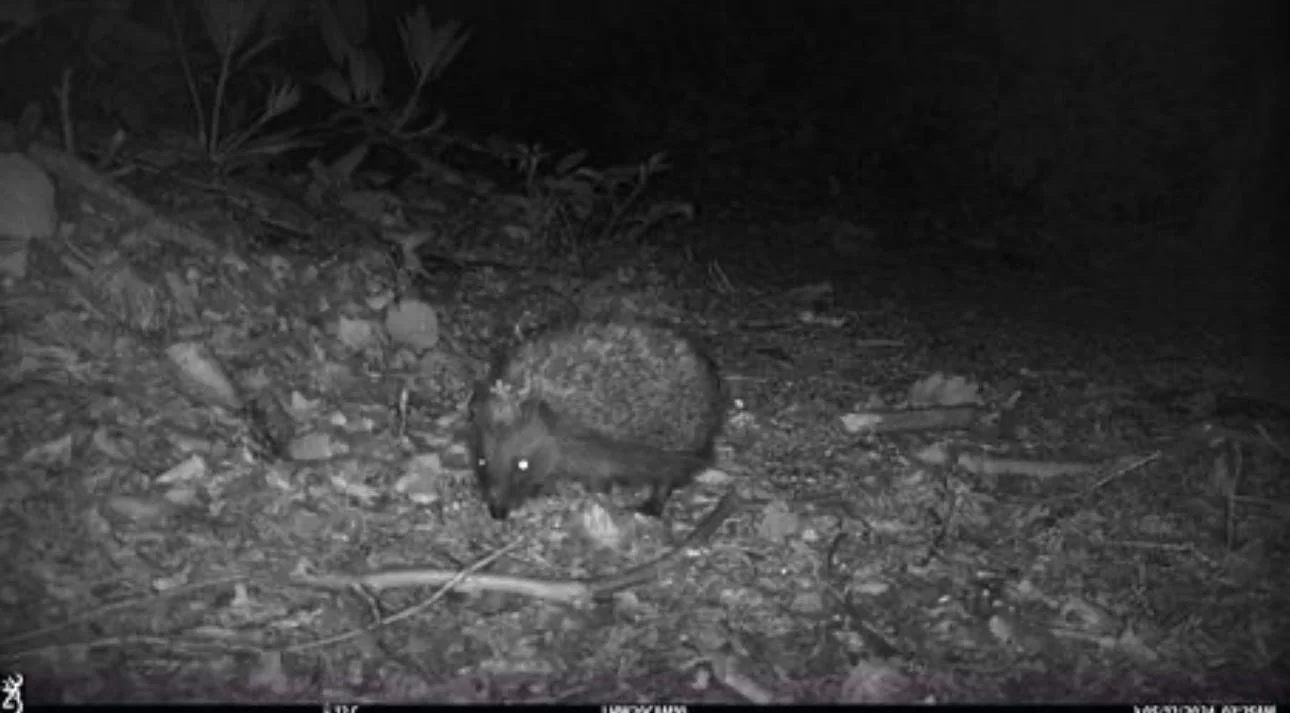
A hedgehog captured in Highgate Wood on a camera trap
Nature’s calendar is another well-known citizen science project with variations run by a range of local and regional organisations; and, of course, we have our own version here on the Heath. As our climate changes and knock on effects are felt within the wider ecosystem it’s important to note seasonal changes within the landscape, and nature’s calendar does just that. Volunteers walk a set route (known as a transect) each week visiting a pre-set selection of trees and shrubs, and note down visible changes such as flowers opening, fruits forming, and leaves falling. By comparing this data year on year we’re able to see how changing temperatures affect the plants’ behaviour and evaluate the knock-on effect this will have on related species which rely on plants’ timely behaviour for food and shelter.
Find out more about our Hampstead Heath Nature’s Calendar project here.
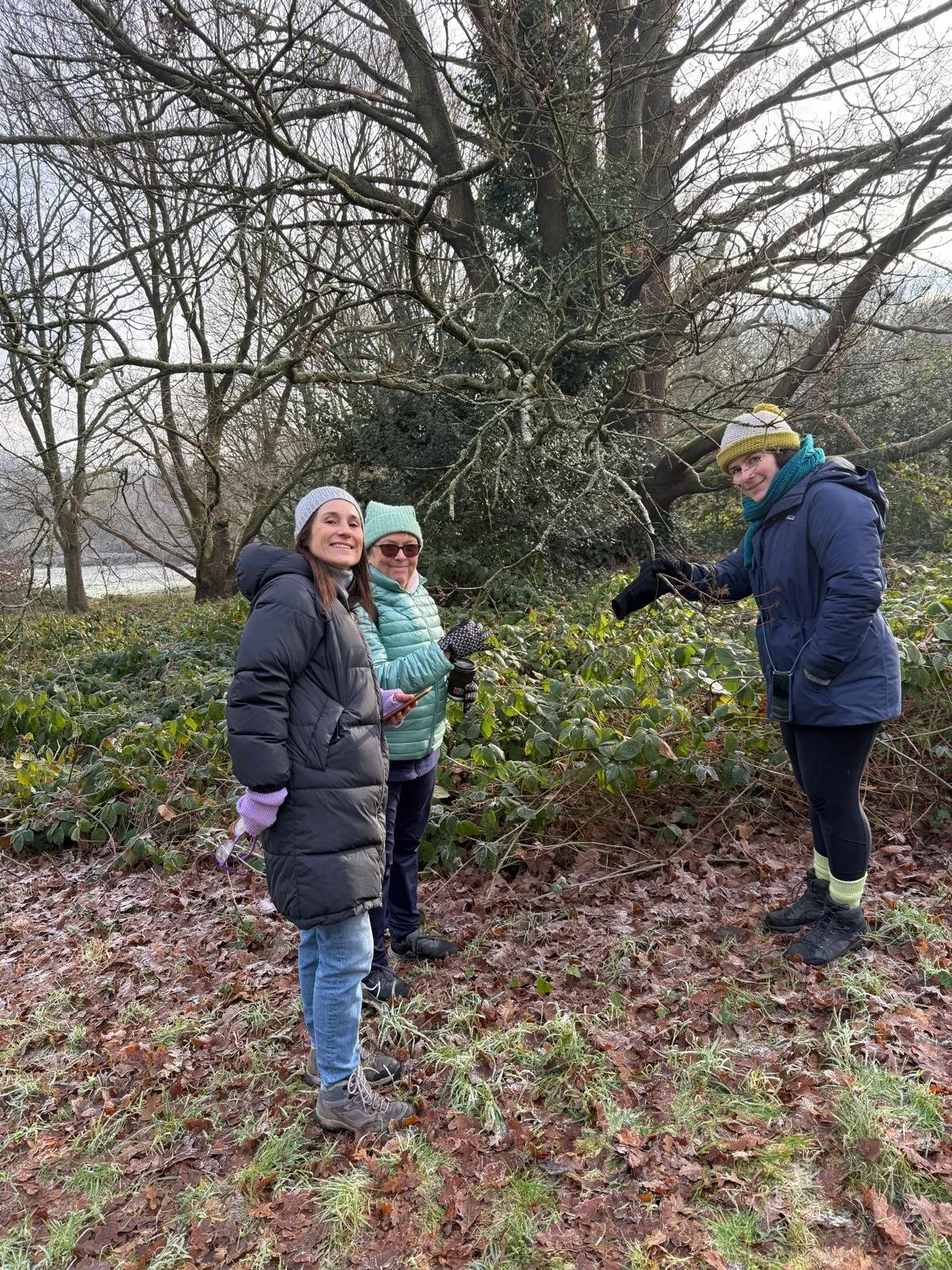
Nature’s Calendar volunteers, out in all seasons!
Alongside Nature’s Calendar here at Heath Hands we run a range of ecological monitoring programmes, surveying the reptile, butterfly, odonata (dragonfly and damselfly) and stag beetle populations on the Heath, our most recent monitoring reports from which can be viewed here.
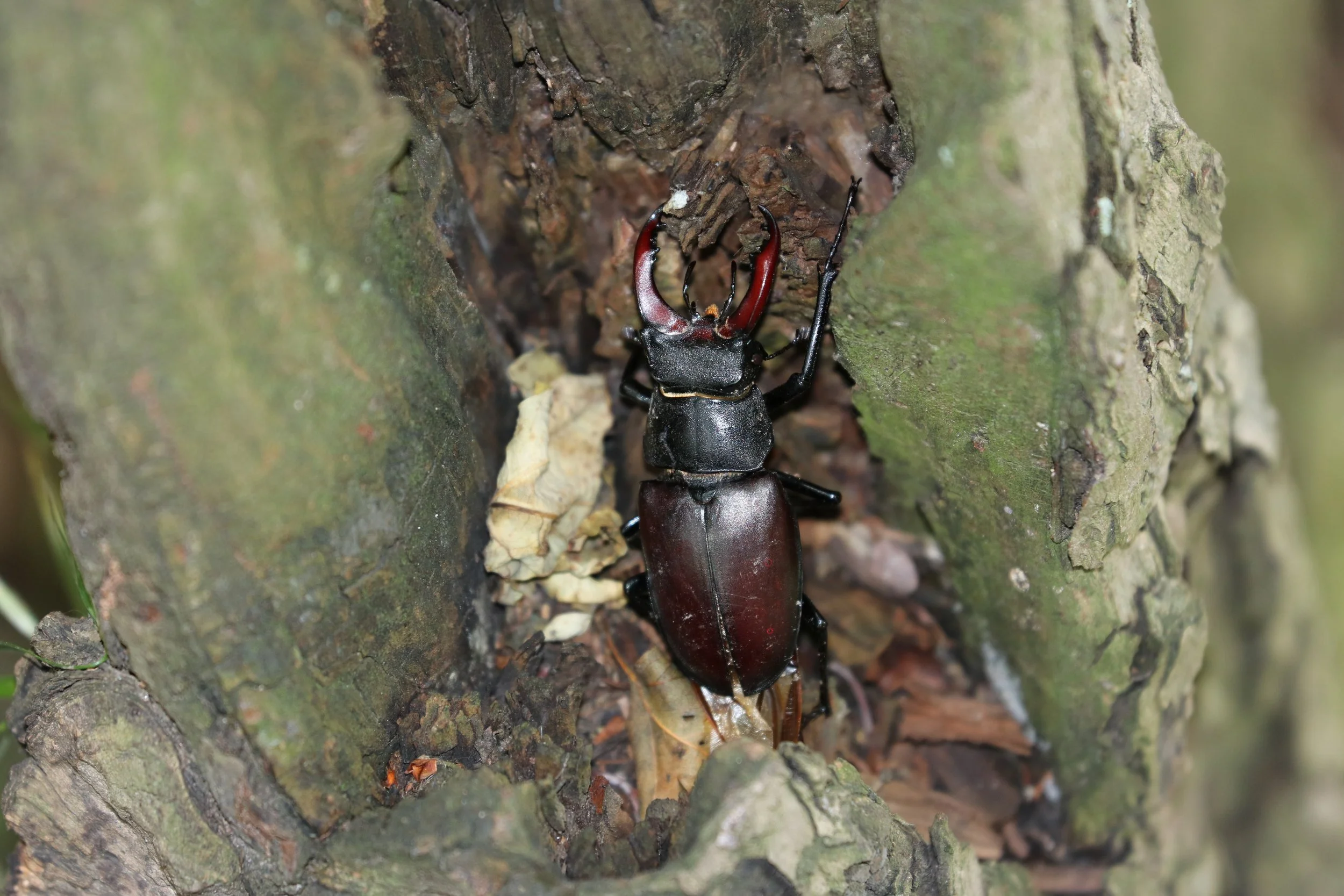
A male stag beetle spotted on the Heath
We recruit seasonally for monitoring volunteers to ensure we have enough people to collect data reliably, but some of the species we study, such as stag beetles, have their own public monitoring programme you can take part in. The Great Stag Hunt run by the People’s Trust for Endangered Species is a nationwide scheme that encourages members of the public to report their stag beetle sightings by filling in a simple online form. Stag beetles have become extinct in several European countries and our UK population is also in decline, so it’s important to monitor their numbers and bolster conservation efforts. Heath Hands run stag home adoptions where you can adopt a stag beetle loggery here on the Heath, made by our staff and volunteers.
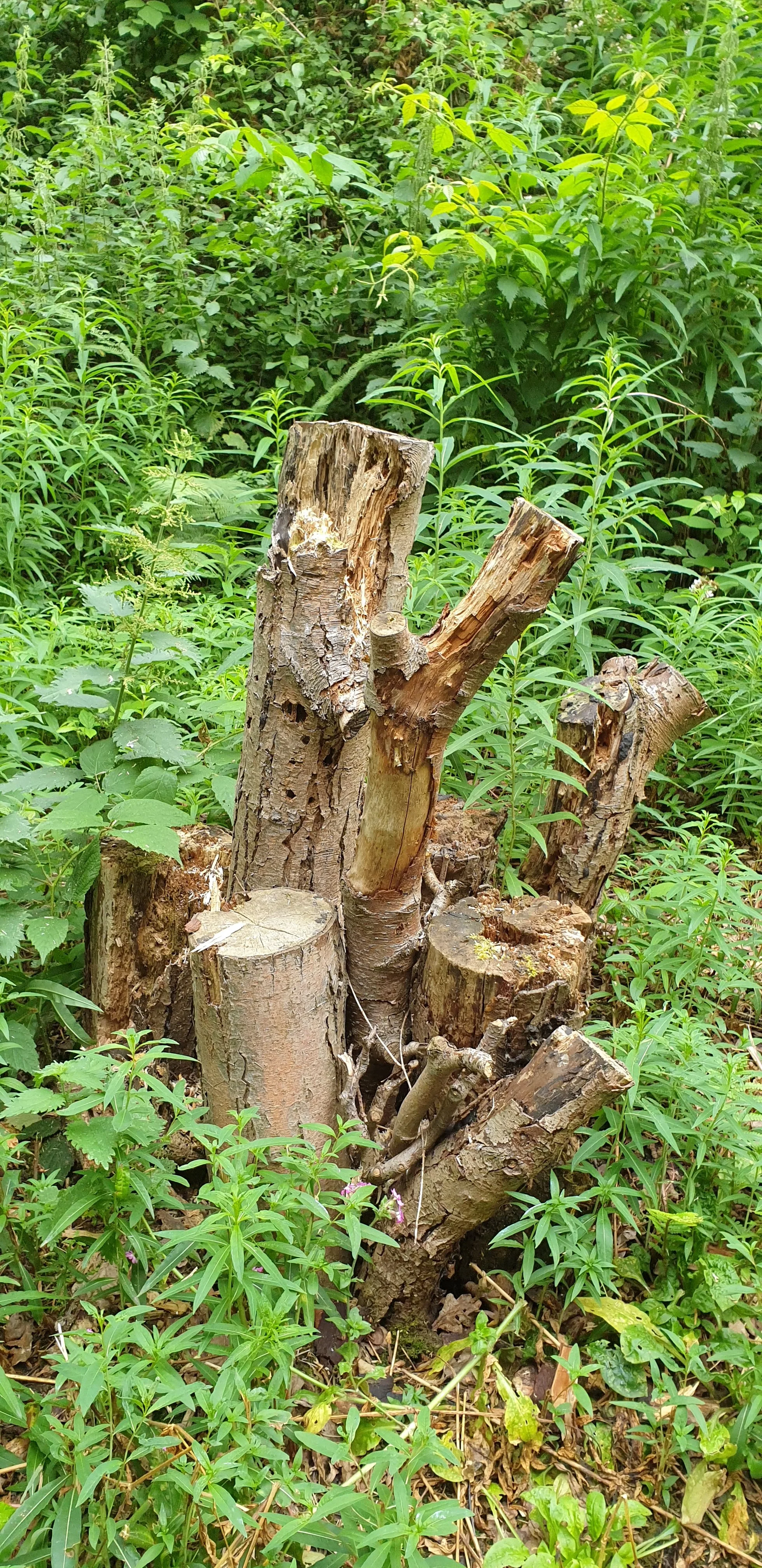
A stag beetle loggery, made by our staff and volunteers
So now you know what Citizen Science is, why not get involved? Pick a species you’re interested in, take a look online for recording opportunities, and (most importantly) have fun.
If you’re unsure of where to start, why not drop by one of our weekend Wild About Hampstead Heath nature interpretation sessions, where our helpful volunteers run activities like pond dipping, bug hunting, bird watching and more. Get some inspiration, and then give it a go yourself!